

Sunglasses do more than complete an outfit. The right pair can help protect your eyes from ultraviolet (UV) radiation and make bright outdoor conditions more comfortable. When comparing uv400 vs polarized sunglasses, it is important to understand that these terms describe two different lens features: UV400 refers to UV protection, while polarization helps reduce glare from reflective surfaces.
They are not necessarily competing options. A pair of sunglasses can have both UV400 protection and polarized lenses, combining UV protection with glare reduction. Camels offers sunglasses with these features, including styles designed for everyday wear.
This guide explains the difference, what to check before buying and how to choose sunglasses that suit your daily routine.
What Are UV400 Sunglasses?
UV400 describes sunglasses designed to block ultraviolet rays up to a wavelength of 400 nanometres, covering UVA and UVB radiation within that range. This is an important feature to look for when selecting sunglasses for outdoor use.
Key features of UV400 lenses
- UV protection: Designed to block UVA and UVB rays up to 400 nm.
- Everyday use: Suitable for activities such as walking, shopping and spending time outdoors when the product provides verified UV400 protection.
- Different styles: UV400 lenses can be available in a variety of frame shapes and lens colours.
- Not determined by darkness: A darker lens does not automatically provide better UV protection. Check the product's UV specifications instead.
UV protection and lens tint are separate considerations. For reliable protection, check the manufacturer's specifications rather than judging the lens by its appearance alone.
What Are Polarized Sunglasses?
Polarized sunglasses contain a special filter designed to reduce glare caused by light reflecting off flat surfaces such as roads, water and other shiny materials. This can make bright environments more comfortable to view.
Key features of polarized lenses
- Glare reduction: Helps reduce reflected light from surfaces such as roads and water.
- Visual comfort: Can make certain outdoor activities more comfortable in bright conditions.
- Driving and travel: May help reduce distracting reflections during daytime driving, although drivers should always remain attentive to changing visibility.
- UV protection is a separate feature: Polarization alone does not guarantee UV protection. Check whether the sunglasses also specify UV400 or equivalent verified UV protection.
Polarized lenses can be useful in bright outdoor settings, but they may make some LCD screens harder to view. This is worth considering if you regularly use digital displays while wearing sunglasses.
UV400 vs Polarized Sunglasses: Main Differences
The biggest difference is the purpose of each lens feature. UV400 is about protection from ultraviolet radiation, while polarization is about reducing reflected glare.
|
Feature |
UV400 sunglasses |
Polarized sunglasses |
|
Main purpose |
Blocks UVA and UVB rays up to 400 nm |
Reduces reflected glare |
|
UV protection |
Yes, when the UV400 specification is genuine |
Not guaranteed by polarization alone |
|
Glare reduction |
Not necessarily |
Yes, from many reflective surfaces |
|
Useful for |
General outdoor UV protection |
Driving, being near water and other glare-prone activities |
|
Can both features be combined? |
Yes |
Yes, polarized lenses can also provide UV400 protection |
Which is better? Neither term alone tells the whole story. For many people, sunglasses that provide verified UV400 protection and polarized lenses offer a useful combination of UV protection and glare reduction.
How to Choose the Right Sunglasses for Your Needs
1. For everyday outdoor use
Start by checking the UV protection specification. If you spend time walking, shopping or travelling outdoors, UV400 protection is an important feature to look for. Choose a frame that fits comfortably and suits your personal style.
2. For daytime driving
Polarized lenses can help reduce reflections from roads and other surfaces. However, they may affect how clearly you can see certain digital displays, so test them with your vehicle's screens before relying on them.
UV protection remains a separate consideration. Check the product details to confirm whether the pair offers both features.
3. For outdoor activities near water
Reflections from water can create noticeable glare. Polarized lenses may help make these conditions more comfortable, while verified UV protection helps shield your eyes from ultraviolet radiation.
4. For fashion and everyday styling
Frame shape, lens colour and fit also matter. Classic black frames offer a versatile appearance, while blue or grey lenses can create a different look. Choose a style that feels comfortable and check its lens specifications rather than assuming every model offers identical features.
What to Check Before Buying Sunglasses
Use these practical checks to compare pairs:
- Verify UV protection: Look for a clear UV400 or equivalent UV-protection specification.
- Check polarization: Confirm that the specific lens option is polarized if glare reduction is important to you.
- Consider lens tint: Tint colour and darkness do not establish the level of UV protection.
- Check frame fit: Review the frame width, bridge width and temple length when these measurements are provided.
- Think about your activities: Driving, outdoor leisure and everyday wear may call for different priorities.
- Review product details: Some eyewear listings offer different lens finishes or optional lens configurations, so confirm the exact option selected before ordering.
Sunglasses at Camels: Product Options to Compare
Camels offers sunglasses in different frame styles, including options whose product pages specify polarized lenses and UV400 protection. Here are three examples to compare.
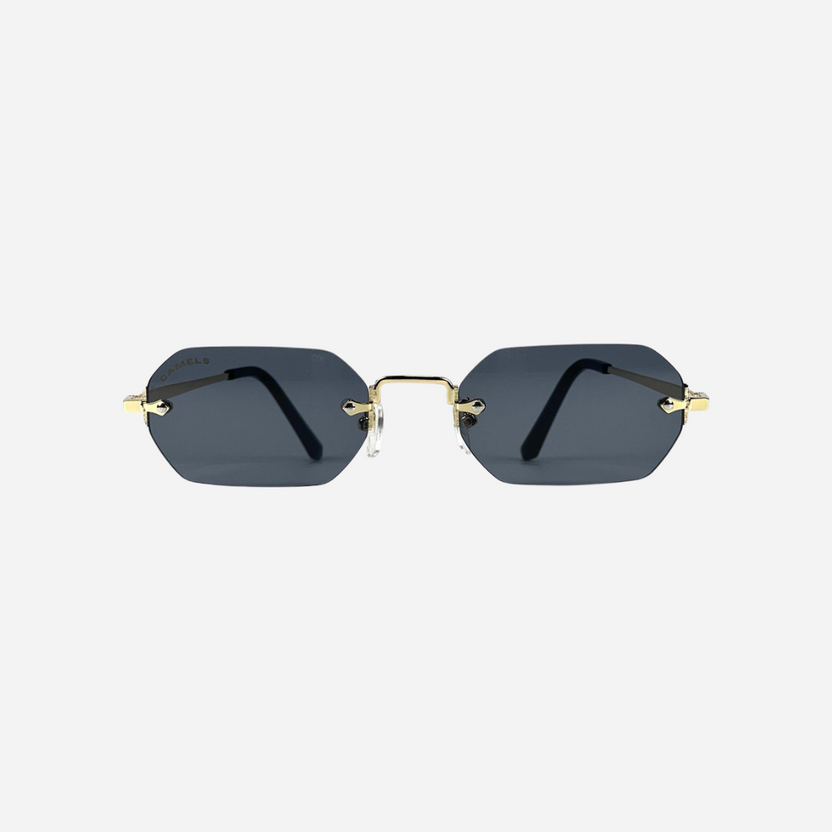
This unisex style features a black frame and dark tinted lenses. Its product details specify polarized lenses with UV400 protection, making it a relevant option for shoppers looking for both features.
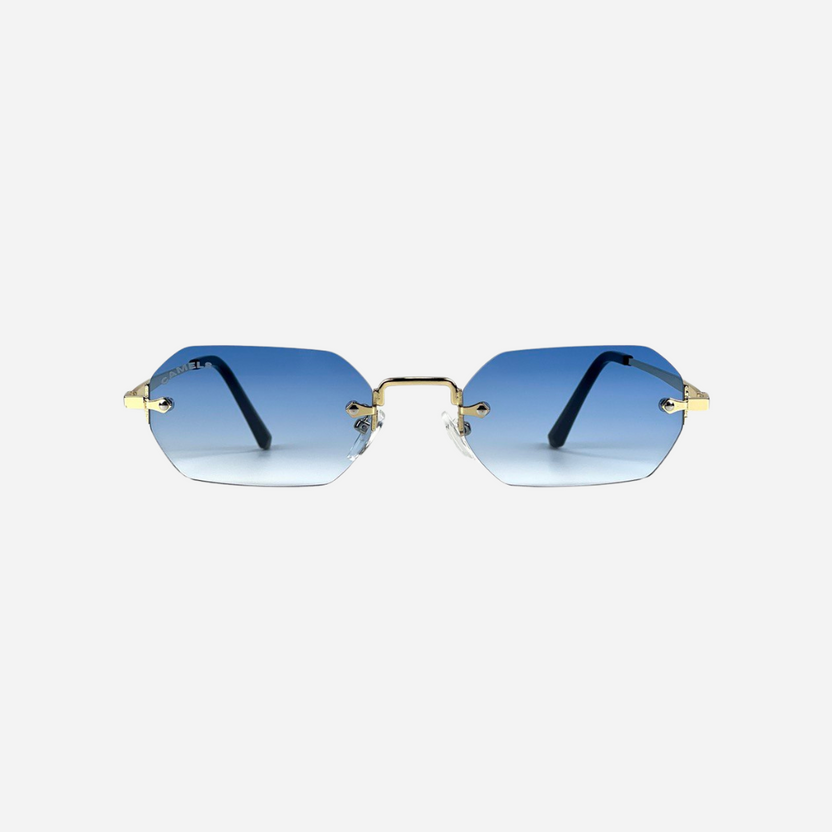
This style features blue lenses and a metal frame. The product page specifies polarized lenses with UV400 protection, combining a distinctive look with the two lens features discussed in this guide.
Dome Gray Sunglasses
These sunglasses feature a frameless, angular design with grey lenses. The product description specifies polarized UV400 lenses, offering another style to consider when comparing lens features and frame shape.
Browse the Camels sunglasses collection to compare available styles and product specifications. Lens options, prices and stock may change, so check the current product listing before purchasing.
Conclusion
Understanding uv400 vs polarized sunglasses makes it easier to select eyewear based on your needs. UV400 refers to protection against ultraviolet rays up to 400 nm, while polarization helps reduce reflected glare. Because the two features serve different purposes, one does not automatically replace the other.
For everyday outdoor use, prioritise verified UV protection. If reflected glare is also a concern, consider polarized sunglasses that provide UV400 protection as well. Camels offers styles with both features, allowing you to compare lens specifications, frame designs and fit before making your choice.
FAQs:
1. What is the main difference between UV400 and polarized sunglasses?
UV400 refers to protection against UVA and UVB radiation up to 400 nm. Polarized lenses reduce glare from reflective surfaces. They address different needs and can be combined in one pair.
2. Are polarized sunglasses always UV400?
No. Polarization does not automatically guarantee UV protection. Check the product specifications to confirm whether the lenses provide UV400 or equivalent verified protection.
3. Are UV400 sunglasses suitable for everyday use?
Sunglasses with verified UV400 protection can be suitable for everyday outdoor use. Choose a comfortable fit and a lens tint appropriate for the conditions.
4. Are polarized sunglasses better for driving?
They can reduce distracting reflections from roads and other surfaces during daytime driving. However, polarization can make some vehicle displays harder to see, so check visibility before driving.
5. Can sunglasses have both UV400 and polarized lenses?
Yes. A pair can provide UV400 protection and polarization together. This combines ultraviolet protection with glare reduction.
6. Do darker sunglasses provide better UV protection?
Not necessarily. Lens darkness does not establish UV protection. Always check the stated UV specification rather than relying on colour or tint.
7. Are polarized sunglasses useful near water?
They can help reduce glare reflected from water, making some viewing conditions more comfortable. UV protection should still be checked separately.
8. How can I check whether sunglasses provide UV400 protection?
Review the product label or manufacturer's specifications for UV400 protection or a clearly stated equivalent. If the information is unclear, ask the seller for confirmation.
9. Which sunglasses should I choose for daily wear?
Look for verified UV protection, a comfortable fit and a frame that suits your activities. Polarization may be useful if you regularly encounter glare from roads, water or other reflective surfaces.
10. Does Camels offer sunglasses with UV400 and polarized lenses?
Yes. Product listings for styles such as Classic Black, Classic Blue and Dome Gray specify both polarized lenses and UV400 protection. Check each current listing to confirm the details of the particular model and lens option.